










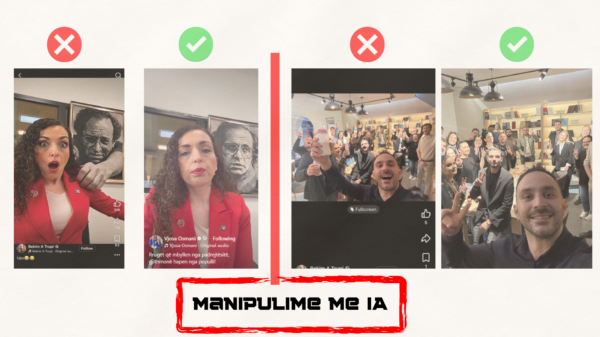

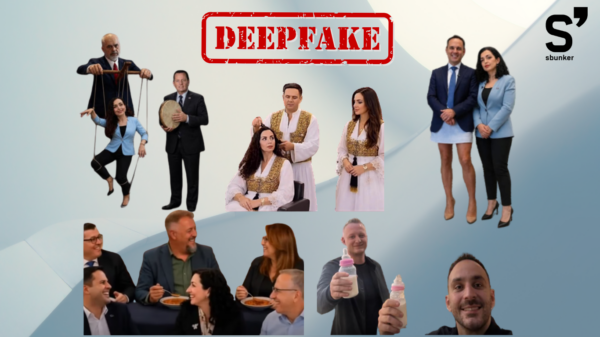
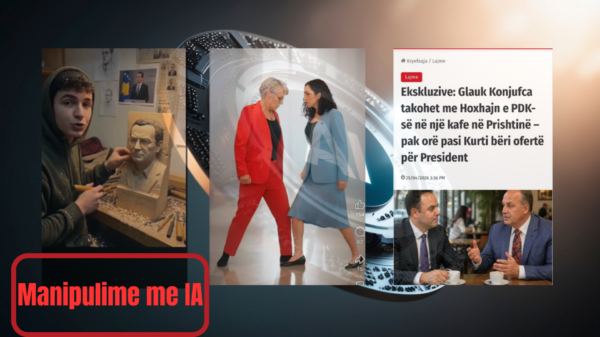






















Fact-checking and debunking individual pieces of disinformation remain essential, but combating disinformation narratives is equally important. Otherwise, even if a particular piece of disinformation is debunked, a misleading narrative may have already circulated repeatedly—and by then, the damage may already have been done.
Combating disinformation requires much more than simply debunking, and recent studies show that the way this phenomenon is analysed and addressed must change. The presence of disinformation in society is unavoidable, but the repetition of misleading narratives must be countered because, with constant repetition, it becomes increasingly believable. Research recently published in the European Journal of Communication, comparing Kosovo, Serbia, Poland and the Czech Republic, identifies repetition as the primary driver of disinformation’s impact in all four countries.
Led by researchers from the University of Prishtina, Ramon Llull University and the University of Novi Sad, the study surveyed 3,200 respondents—800 in each of the four countries: Kosovo, Poland, Serbia and the Czech Republic. Rather than examining specific pieces of disinformation, the research focused on disinformation narratives surrounding particular topics, such as external disinformation narratives concerning Kosovo’s sovereignty or the war in Ukraine. The study examined citizens’ exposure to different disinformation narratives and whether prior exposure influenced their belief in them. Across all four countries, the principal finding was that people who had previously encountered a false narrative were considerably more likely to believe it than those seeing it for the first time. This pattern held across societies, regardless of whether the narrative concerned war, healthcare, national identity or politics.
Citizens, therefore, do not believe falsehoods solely because they are unable to distinguish fact from fiction. Research shows that people are influenced by repetition. When the same content appears repeatedly through different communication channels—on social media, in traditional media and in conversations with friends—it gradually becomes more believable. This is how misleading narratives exert influence over society. Belief in a narrative about anti-Ukraine demonstrations in Poland nearly tripled among those who had already been exposed to it, rising from 20% to 58%. Kosovo is no exception. For example, citizens who had previously encountered the narrative about the Wagner Group’s involvement in tensions in northern Kosovo were much more likely to believe it than those who were unfamiliar with the narrative. Among those who had already heard the claim about Wagner, belief in it increased from 42% to 62%.
Narratives Differ from Country to Country, but the Mechanism Remains the Same
In Kosovo, it is no coincidence that the dominant external false narratives in the information environment revolve around sovereignty, interethnic relations, the legitimacy of Kosovo’s institutions and its Western allies. Each country’s disinformation ecosystem is therefore tailored to the issues that most concern its society. In Kosovo, problems with Serbia and the country’s status—which continues to be disputed by Serbia and several other states—remain unresolved topics, even though a quarter of a century has passed since the end of the war and almost 20 years since the declaration of independence. Another important fact concerning Kosovo is that citizens do not encounter numerous misleading narratives across a wide range of topics; instead, they mainly encounter them in relation to the same recurring issues. The study found that exposure clusters around two or three narratives. In other words, the disinformation environment is narrow and concentrated. This may allow it to “poison” the information environment more rapidly because there is less room for competing narratives.
An analysis of all four countries reveals that disinformation narratives hit different targets. In Kosovo, disinformation narratives focus on the country’s sovereignty and interethnic relations between Albanians and Serbs. In Czechia, disinformation is centered on health and consumer safety. Claims about the COVID-19 vaccine and warnings regarding Ukrainian food imports reached larger audiences. In Poland, narratives about Ukrainian refugees and claims that Ukraine was “concealing” war casualties or deserters were dominant, while in Serbia narratives concerning Serbian identity prevailed. Therefore, although the content differed from one country to another, the underlying psychological mechanism remained remarkably similar. This result is consistent with the illusory truth effect, according to which repeated information is perceived as more credible simply because it becomes familiar. According to the study, exposure consistently predicted belief across all four contexts, while statistical analysis suggests that repetition functions as a general cognitive process. This indicates that disinformation must be countered differently.
From Debunking to Preventing Narratives
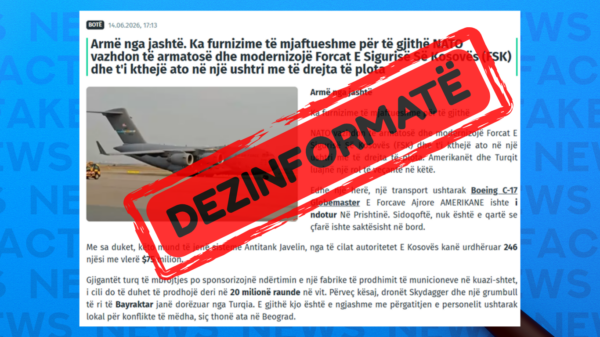
Fact-checking and debunking individual pieces of disinformation remain essential, but combating disinformation narratives is equally important. Otherwise, even if a particular piece of disinformation is debunked, a misleading narrative may have already circulated repeatedly—and by then, the damage may already have been done.
Under current practice, when a piece of disinformation enters the public sphere, journalists and fact-checkers verify and debunk it, while citizens debate on social media or through other channels about what is true. This model must change. Journalists and fact-checkers should also consistently examine whether a particular piece of disinformation reinforces a broader misleading narrative, identify that narrative and clearly bring it to citizens’ attention. They should also publish more stories and articles that serve as a form of advance “inoculation” for citizens, instead of responding only after a misleading narrative has gone viral. This approach would weaken the impact of public exposure to misleading narratives.